
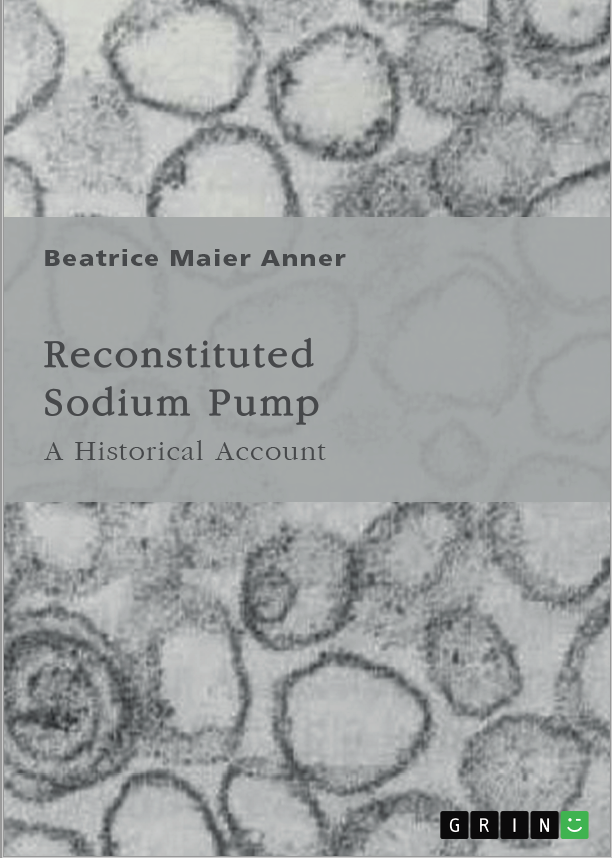
Reconstituted Sodium Pump
The sodium pump, also called Na,K-ATPase (NKA) is a biomotor inserted in the membrane of all living cells; it extrudes sodium ions from the cell interior and replaces them with potassium ions. This is a fundamental and vital process. Furthermore, the sodium pump is also a receptor for pharmacological and toxicological compounds, such as the heart drug digitoxin and the arrow poison ouabain. Around 1974 it became possible to extract the sodium pump from the cell membrane and insert it into artificial phospholipid vesicles where it worked in the same way as in the cell. Now, the pump could be studied in its pure form on a molecular level. The author has been involved in this pioneering research and tells some fascinating stories concerning the first ultrastructural description of the reconstituted sodium pump in collaboration with specialists at Arhus University in Denmark and at Duke University in the US, and about the use of the reconstituted sodium pump for testing an unknown inhibitory compound in collaboration with Harvard Medical School.
2024
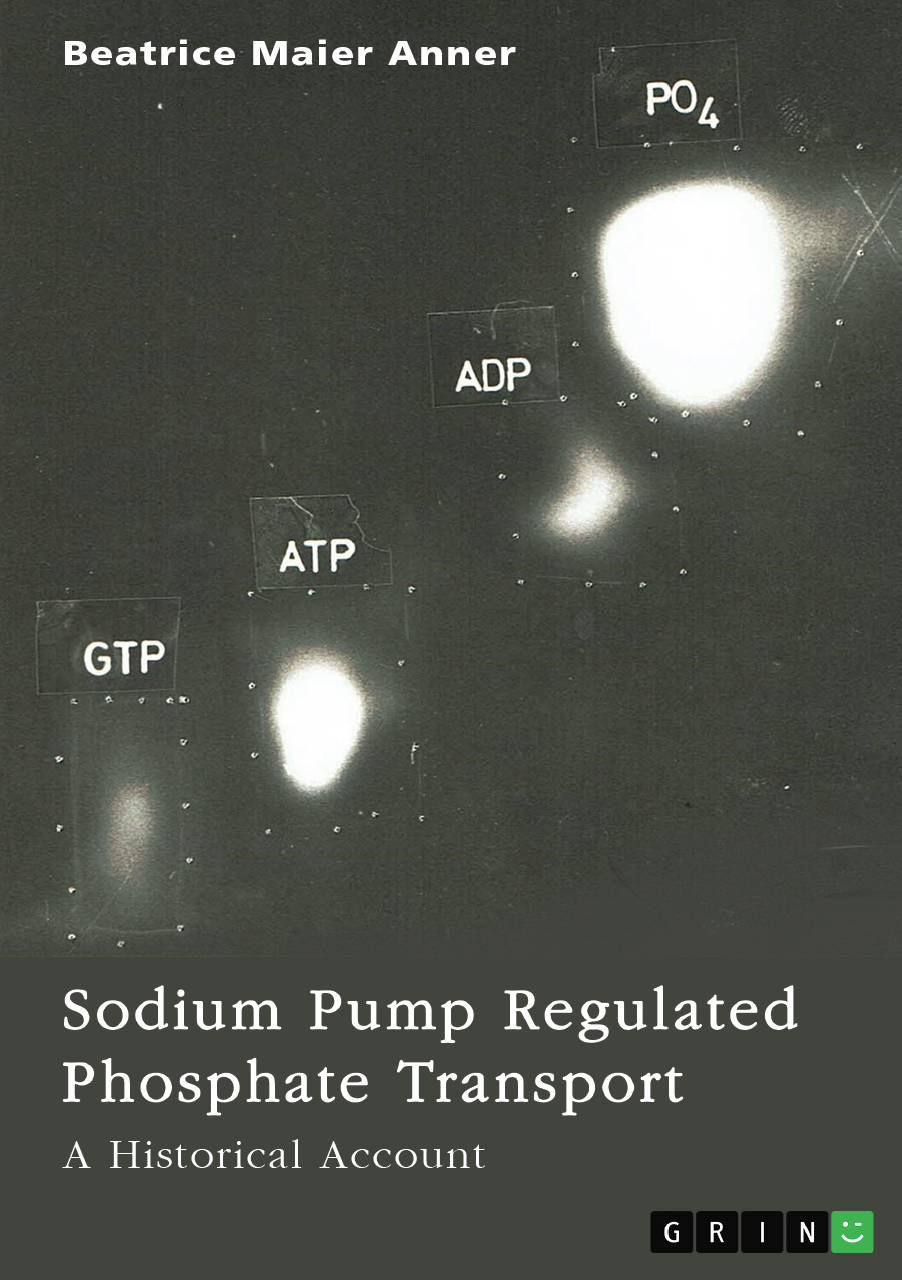
Sodium Pump Regulated Phosphate Transport
An astonishing scientific story is presented in this booklet: how do cells maintain their volume and how do they fire signals in nerve fibers? Indeed, these two processes are performed by a single biological system, one of the most complex and sophisticated ones in nature: the sodium pump or sodium-potassium-activated adenosine triphosphatase (Na,K-ATPase), which is embedded in the membrane of each living cell. It is a combination of a motor and a battery underlying the organization of life itself. The current account is historical and shows how the author was involved herself in this fundamental research and found a transport system for phosphate ions linked to the activity of the sodium pump. This historical account is interesting for all scientists working on membrane processes who wish to understand better how our current knowledge of the Na,K-ATPase has been built up slowly but surely, patiently adding piece after piece to a complicated puzzle.
2024
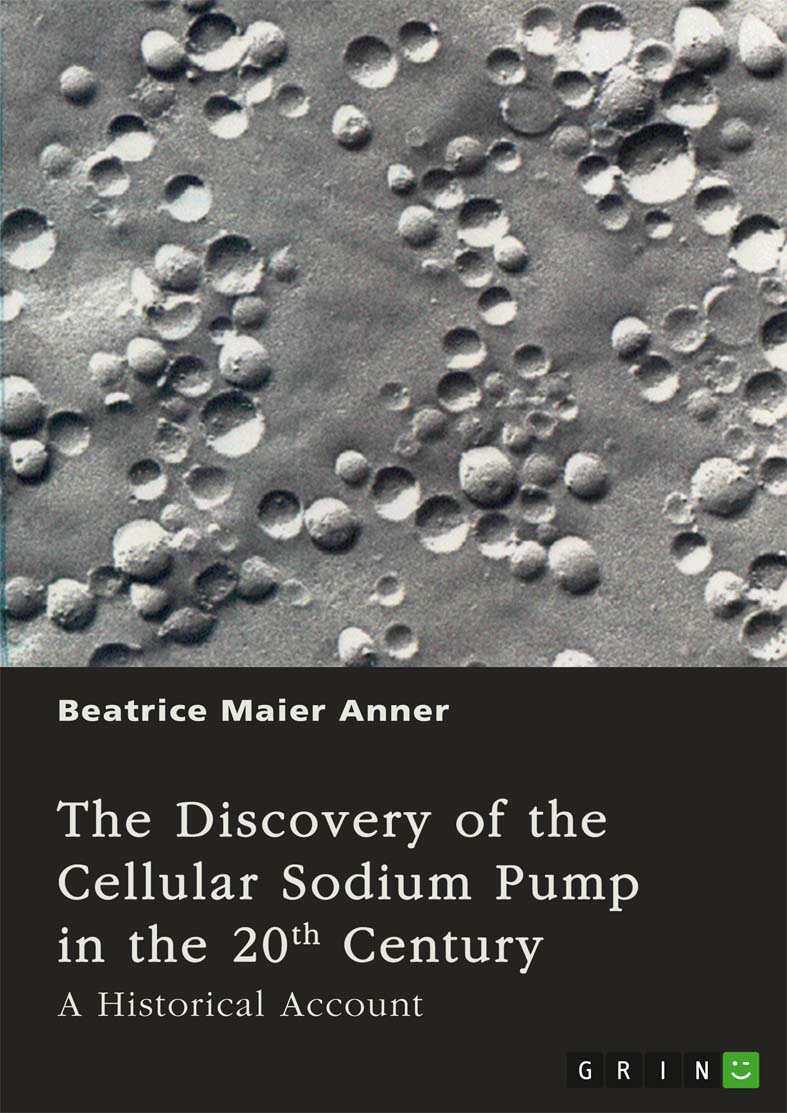
The Discovery of the Cellular Sodium Pump in the 20th Century
During her doctoral and postdoctoral studies, Beatrice Maier Anner became familiar with a fascinating biological system, called sodium pump by the physiologists and Na,K-ATPase by the biochemists; it is a sort of biomotor located in the cell membrane, which constantly expulses sodium (Na) ions from the cell interior and replaces them by potassium (K) ions, at the expense of chemical energy provided by adenosine-triphosphate (ATP) which is cleaved to adenosine-diphosphate (ADP) by the Na,K-ATPase, which gets its pump energy from the cleavage of this chemical bond. There would be no life without this fundamental biological system. Interestingly, it is also a pharmacological receptor, i.e. compounds extracted from the Digitalis plant of from the toad bind to the pump and block it, hence the toxicity of e.g. digitoxin or the toad's bufotoxins. The author has acquired extensive practical and theoretical knowledge of this biological system, acquired at the Baylor College of Medicine, Houston, TX, USA consisting in inserting purified functional Na,K-ATPase into artificial membranes (liposomes) in order to study the pump activity on a molecular level. The present book is a unique historical overview from the discovery and purification of the sodium pump to its reconstitution in artificial membranes in the 20th century. This short book permits to become rapidly familiar with this fascinating biomotor and to find unique historical sources.
2024
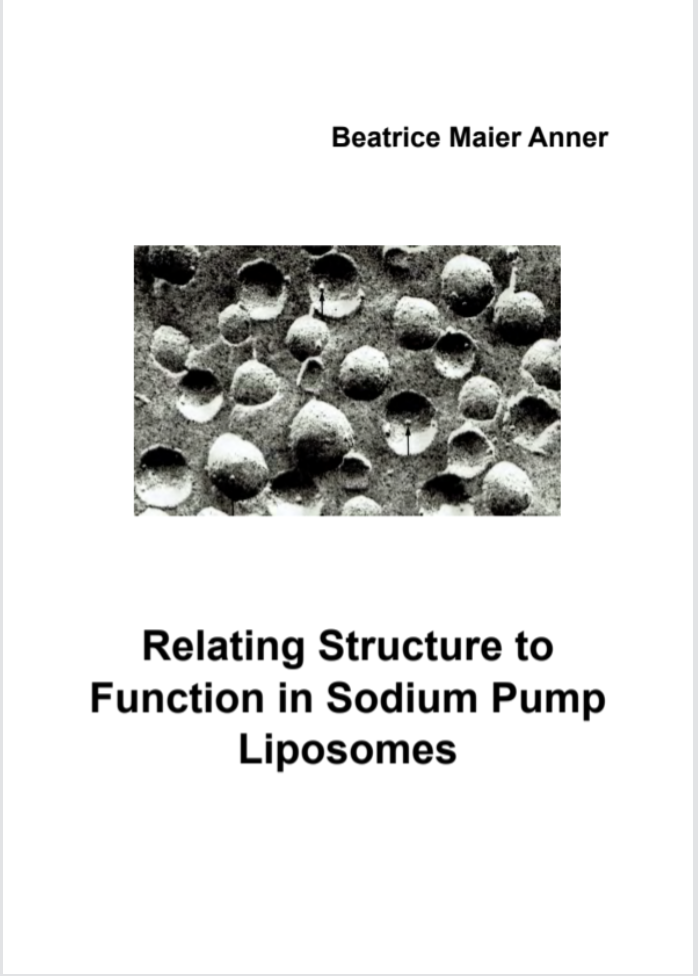
Relating Structure to Function in Sodium Pump Liposomes
The purified sodium pump reconstituted in artificial membranes expresses all the features of the pump system described by physiologists and biochemists in intact cells. In other words: it is a fully autonomous molecular machine, which does need neither interaction with other membrane systems to be functional, nor interaction with hypothetical intra- and extracellular regulators: all the required information for the pump activity is contained within the sodium pump molecule (Na,K-ATPase) itself. This overview of basic properties of the sodium pump may be interesting for students in biology or medicine, as well as for researchers interested in ion-transport systems. Yet it is written in a way which should allow also the non-specialist to comprehend the working of the sodium pump, all the more since there are many illustrations and didactic schemes.
26 mai 2025

Functional Properties of the Sodium Pump
The sodium pump or Na,K-ATPase was discovered in 1957. In view of the complexity of the system, its mechanism and roles are still not fully understood. The system is often ignored or confused with channels and other transporters. It is also poorly known that the sodium pump is the pharmacological receptor for cardioactive steroids from plants (ouabain, digoxin, convallotoxin, etc.) and from the toad (bufotoxins), and for the powerful palytoxin from the coral palythoa toxica. The current book presents a summary of most aspects of the sodium pump, going from its discovery to the properties of the molecule, its isolation and reconstitution into artificial membranes, to the roles in the cell and in the organism, and to its alteration by environmental stress and disease, including radiation damage, a particular problem during space flight.
2025
